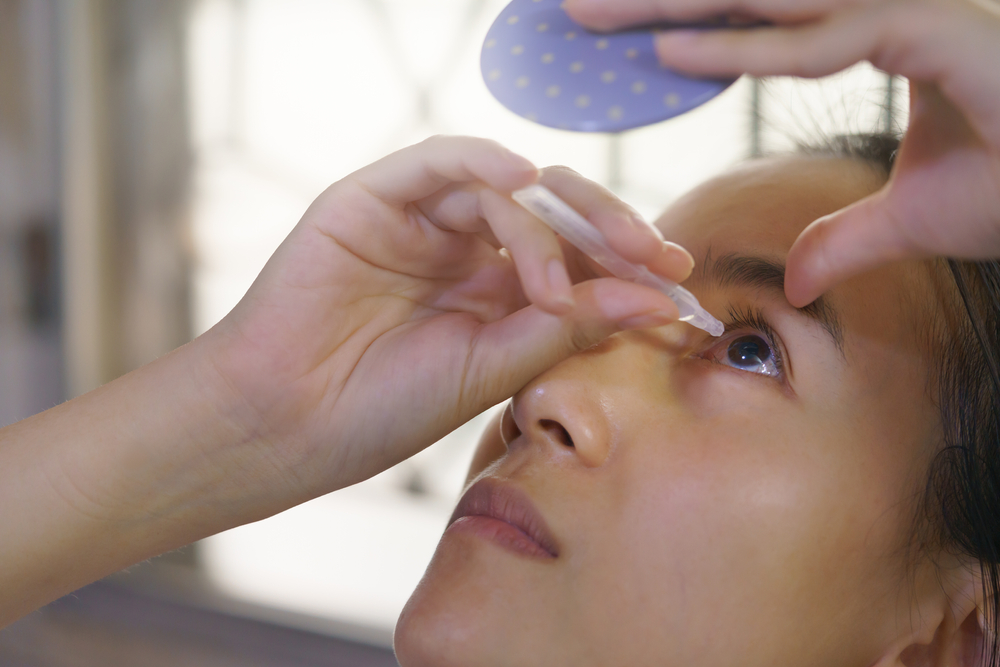
Artificial tears are commonly recommended for dry eye relief, but selecting the right formula is essential for effective treatment. Because dry eye can have multiple causes, different types of artificial tears are designed to address different needs. Knowing which option is best and when it’s time to see your eye doctor can help prevent ongoing irritation and discomfort.
Why Artificial Tears Matter
Healthy tears do more than keep your eyes comfortable. They protect the surface of your eyes, provide clear vision, and help prevent irritation and inflammation. When your natural tear film is disrupted, dryness, burning, fluctuating vision, and redness can occur. Artificial tears are designed to supplement or stabilize your tear film, but not all dry eye is the same.
Lubricating Drops
These are the most common over-the-counter artificial tears and are ideal for mild or occasional dry eye. They add moisture to the eye’s surface and can temporarily relieve symptoms like dryness or irritation.
Best for:
Occasional dryness
Computer-related eye strain
Mild environmental irritation
Preservative-Free Artificial Tears
If you use artificial tears more than four times per day, preservative-free options are recommended. Preservatives can irritate the ocular surface with frequent use and may worsen symptoms over time.
Best for:
Moderate to chronic dry eye
Sensitive eyes
Frequent daily use
Gel Drops and Ointments
These thicker formulations provide longer-lasting relief but may blur vision temporarily. They’re often recommended for nighttime use or for patients with more severe dryness.
Best for:
Severe dry eye
Nighttime symptoms
Patients who wake up with dry, irritated eyes
When Artificial Tears Aren’t Enough
While artificial tears can be helpful, they don’t address the underlying cause of dry eye for everyone. If you notice that drops provide only temporary relief - or stop working altogether - it may be time to see your eye doctor.
You should schedule an eye exam if:
Artificial tears no longer relieve symptoms
You need drops multiple times per day with little improvement
Your eyes burn, feel gritty, or feel inflamed
Your vision fluctuates or becomes blurry
Meibomian gland dysfunction (MGD) is one of the leading causes of chronic dry eye and occurs when the oil-producing glands in the eyelids become blocked or inflamed. In these cases, simply adding moisture with drops won’t solve the problem.
Advanced Dry Eye Treatment Options
For patients with moderate to severe dry eye or MGD, advanced in-office treatments can provide longer-lasting relief. One effective option is Intense Pulsed Light (IPL) therapy. IPL targets inflammation around the eyelids and helps restore proper function to the meibomian glands. By improving oil flow, IPL helps stabilize the tear film and reduce evaporation.
Benefits of IPL therapy may include:
Reduced eye redness and inflammation
Improved tear quality
Fewer dry eye flare-ups
Less dependence on artificial tears
Your eye doctor can determine whether IPL or other advanced treatments are appropriate based on a comprehensive dry eye evaluation.
Finding the Right Solution for Your Eyes
Dry eye is not one-size-fits-all. Choosing the right artificial tear depends on the severity of your symptoms, how often you use drops, and whether an underlying condition like MGD is present. Our team can help identify the cause of your dry eye and create a personalized treatment plan to restore comfort and clarity to your vision.
If you’re struggling with dry eye symptoms or feel that artificial tears aren’t providing the relief you need, schedule a dry eye evaluation at City Eyes Optometry Center today. Visit our office in Sherman Oaks, California, or call (818) 960-1300 to book an appointment.


Contact Info
Hours of Operation
- Monday Closed
- Tuesday 09:00 AM - 05:00 PM
- Wednesday 09:00 AM - 05:00 PM
- Thursday 09:00 AM - 05:00 PM
- Friday 09:00 AM - 05:00 PM
- Saturday 09:00 AM - 02:00 PM
- Sunday Closed
© 2025 City Eyes Optometry Center. All rights Reserved. Accessibility Statement - Privacy Policy - Sitemap
Powered by:
